
START HERE
Profit and cash flow are different questions.
A business can report a loss and still have cash in the bank. See why that happens, using the same restaurant forecast from start to finish.
Read the guideTHE BPLAN AI JOURNAL
Practical guides for the decisions behind your next business. From the first idea to the numbers and the pitch.
68 guides
A business can report a loss and still have cash in the bank. See why that happens, using the same restaurant forecast from start to finish.
Read the guide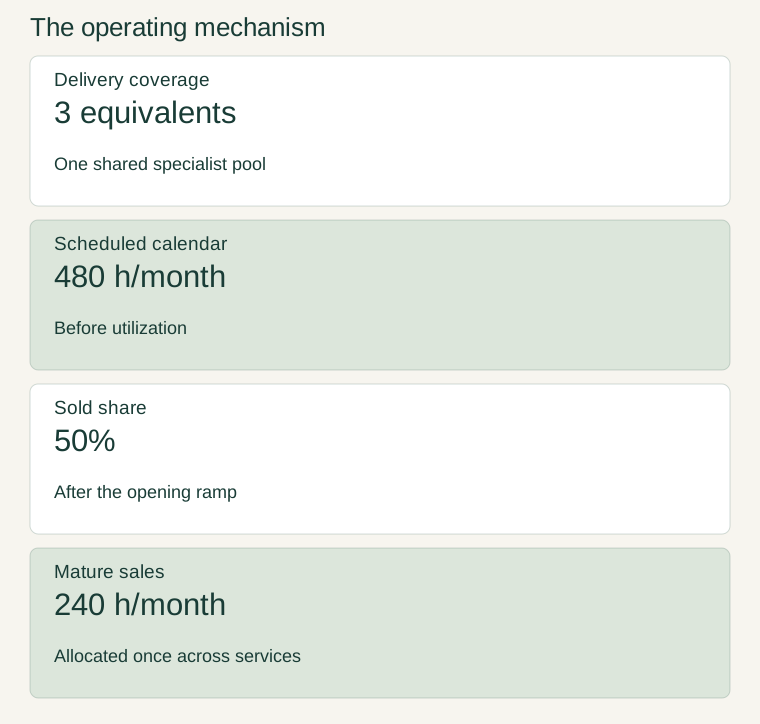
Use Signal Grove’s three-person delivery calendar to connect sold agency fees, paid management and the first-year loss.
Read the guide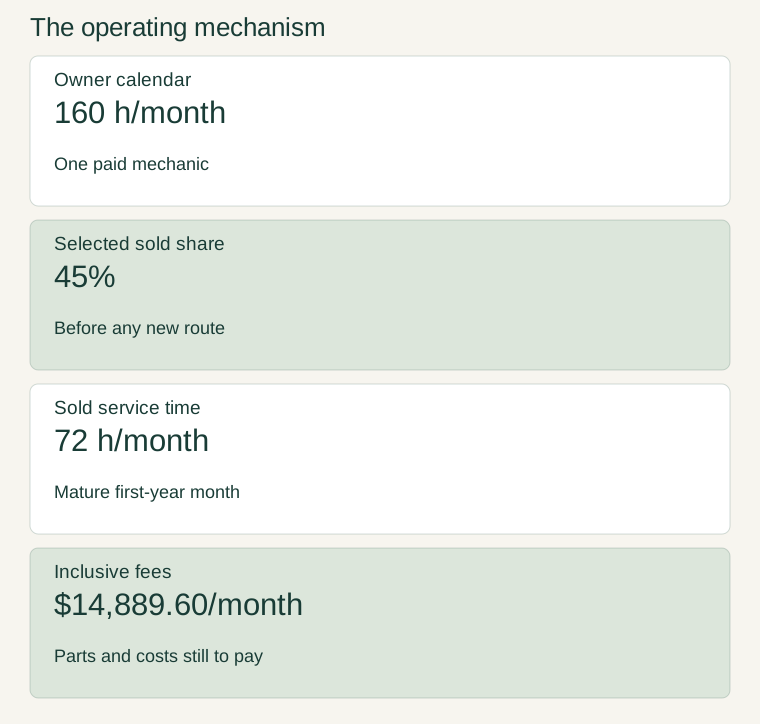
Follow RouteReady Auto’s one-van forecast from scheduled owner time to completed maintenance packages, parts and cash.
Read the guide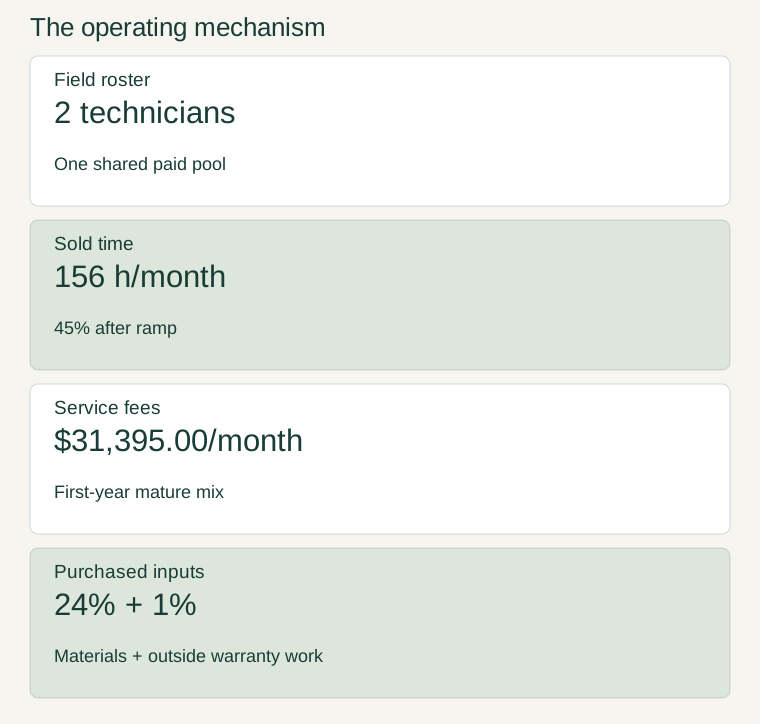
Use Copperline’s two-technician forecast to separate service revenue, material purchases, supplier terms and payroll.
Read the guide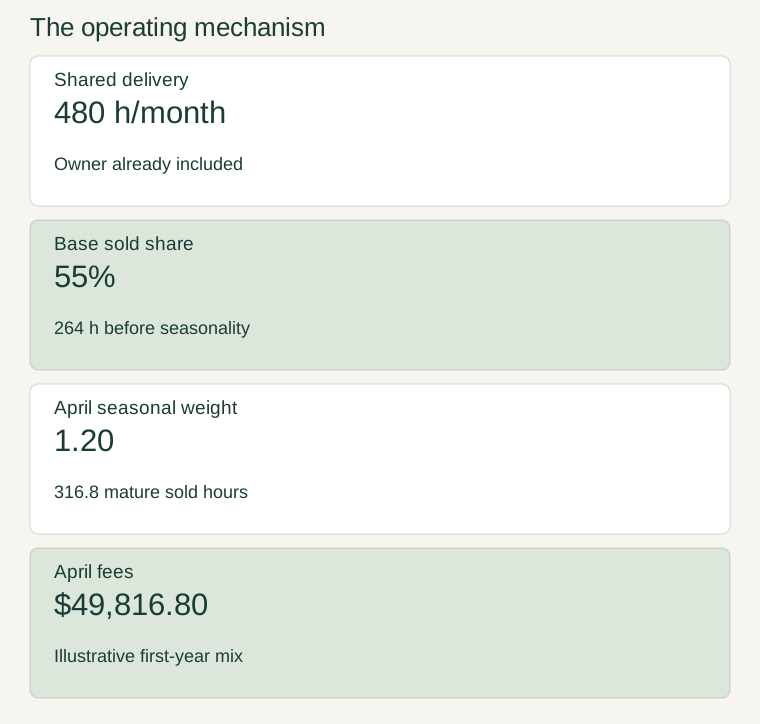
Follow FieldLedger Advisory’s seasonal workload, one paid consultant pool and cash through the quiet months.
Read the guide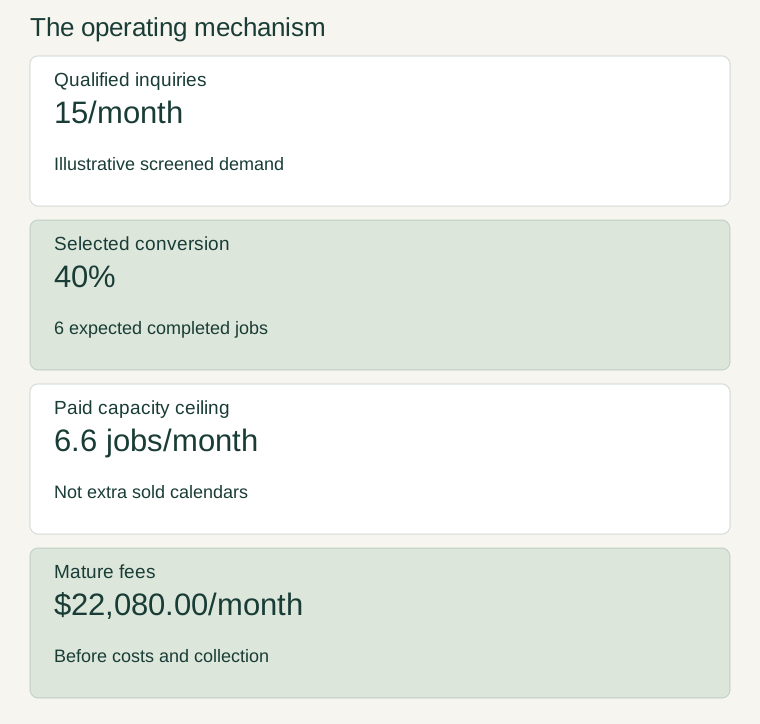
Use Quiet Harbor’s bounded fictional forecast to examine screened jobs, paid specialist coverage, collection delay and opening cash.
Read the guide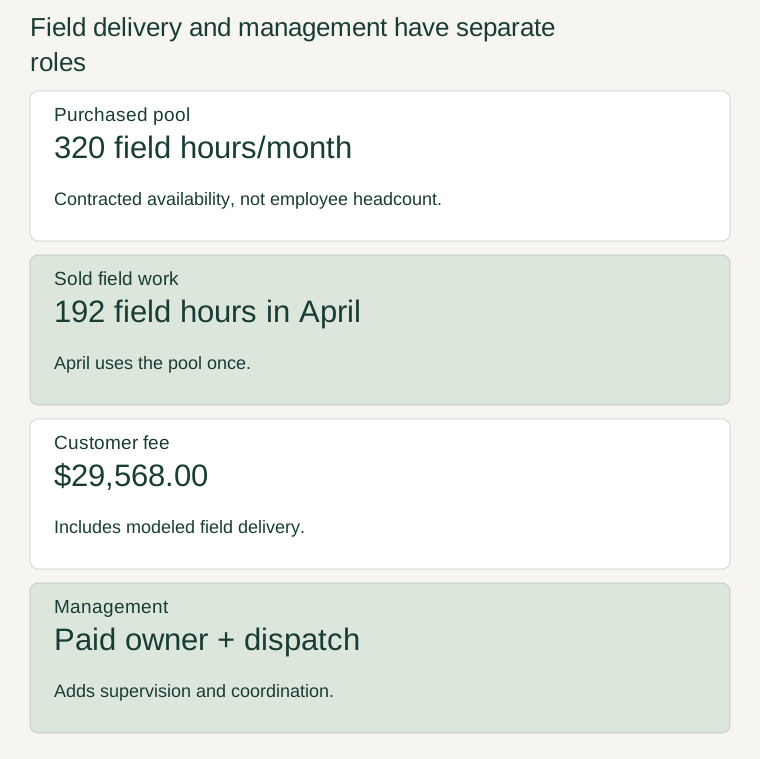
Follow the customer fee through purchased field work, materials and paid management before judging contractor margins.
Read the guide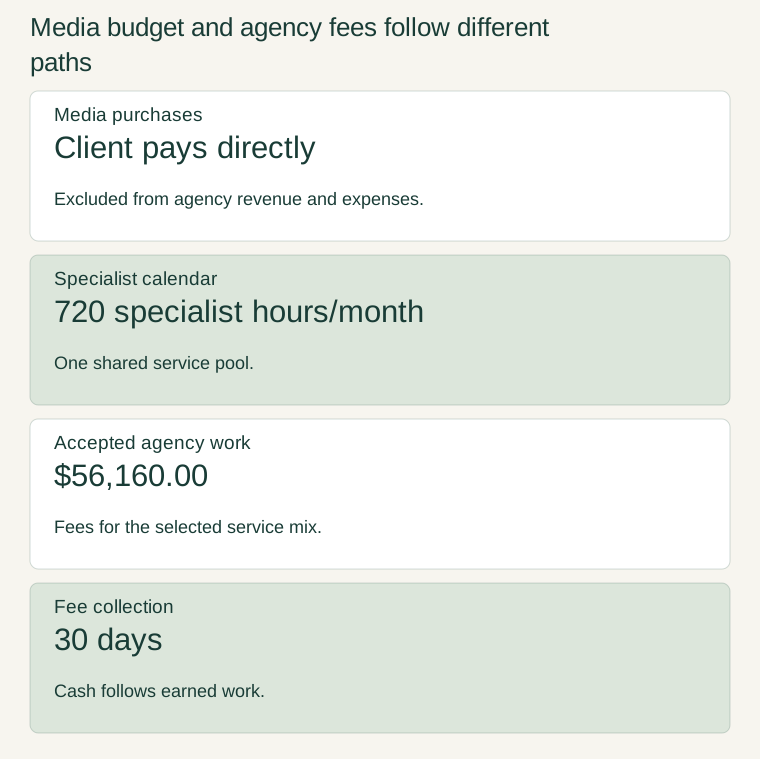
Separate agency service fees from client media spending, then test the paid creative and campaign roster.
Read the guide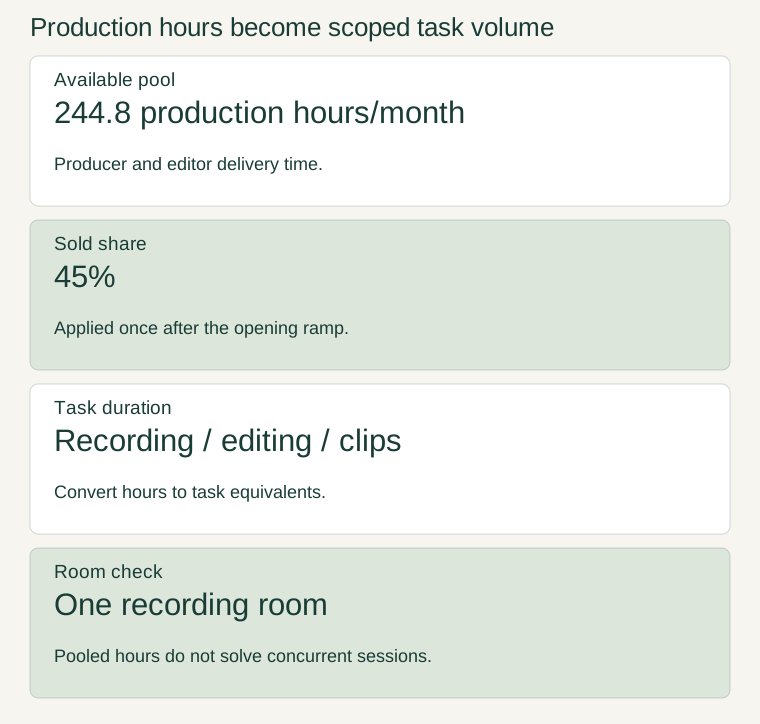
Convert recording, editing and clip packages into one paid production calendar before promising episode volume.
Read the guide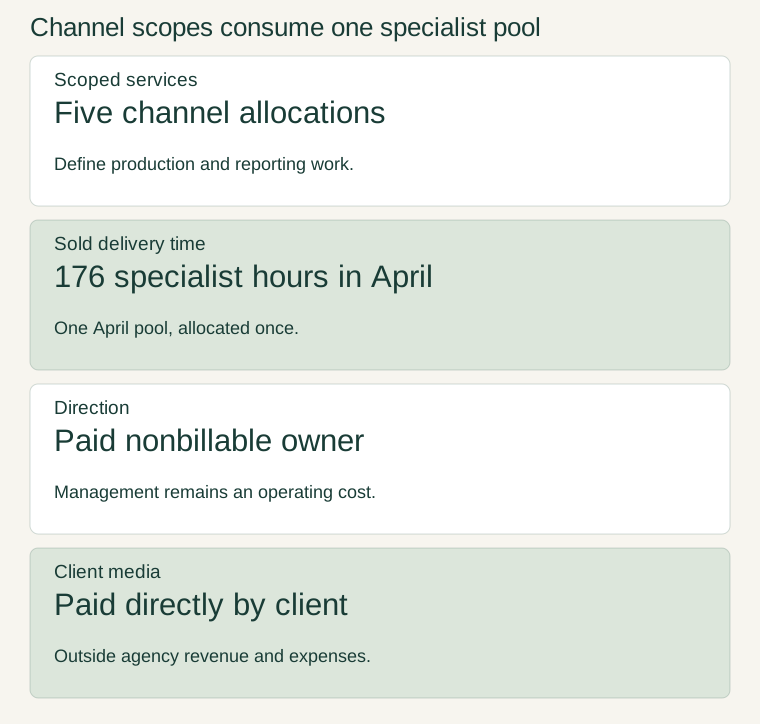
Map channel deliverables to the specialists who produce them while retaining the full paid cost of direction and operations.
Read the guide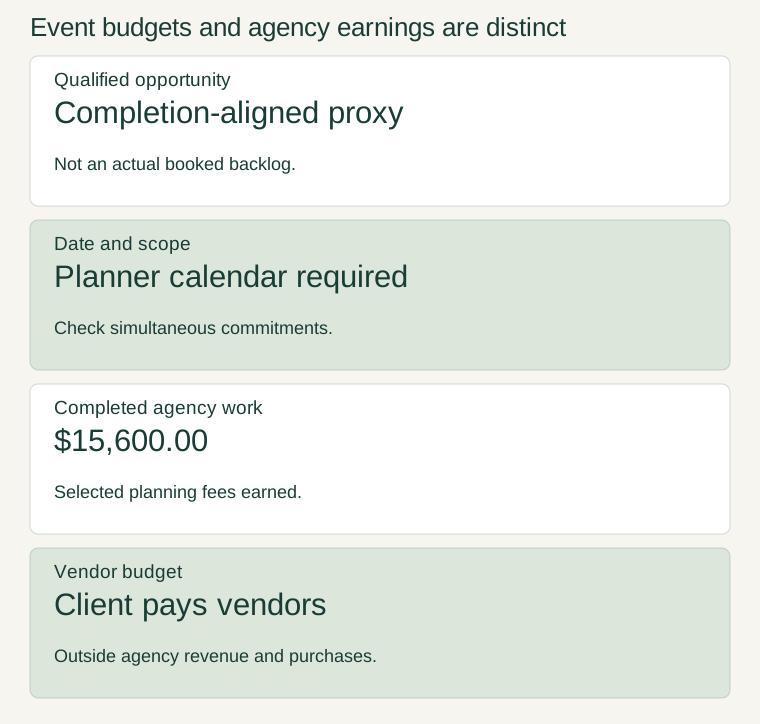
Distinguish completed agency work, future bookings and client-paid vendor budgets before testing the planning roster.
Read the guide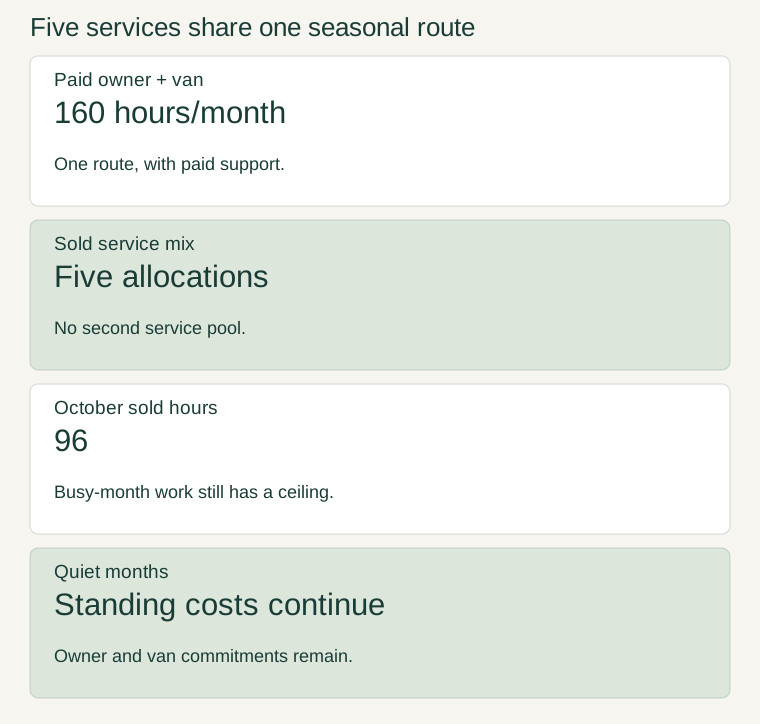
Test the whole seasonal year for a paid owner-technician and one van rather than judging the route by a busy autumn month.
Read the guide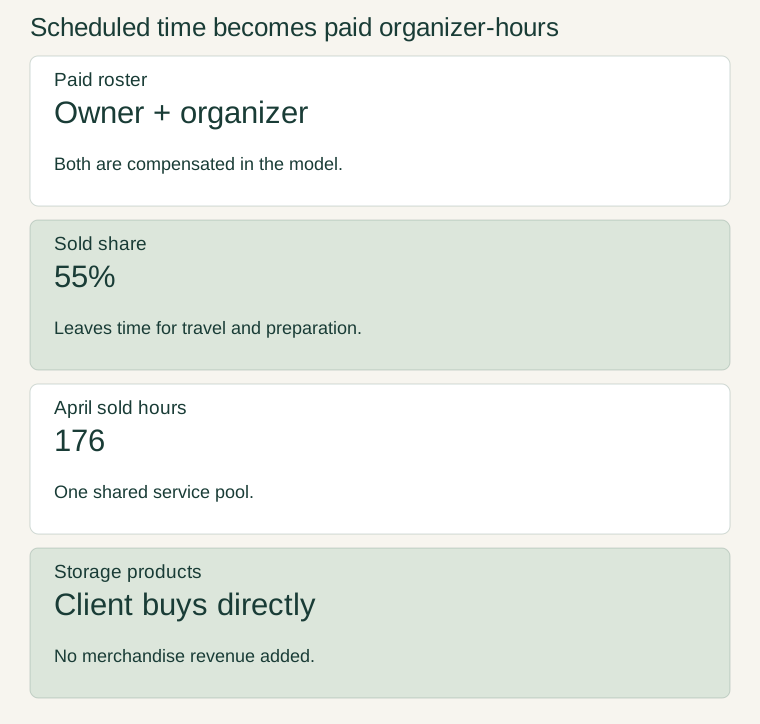
Allow for travel, assessment and preparation before turning organizer time into paid session volume.
Read the guide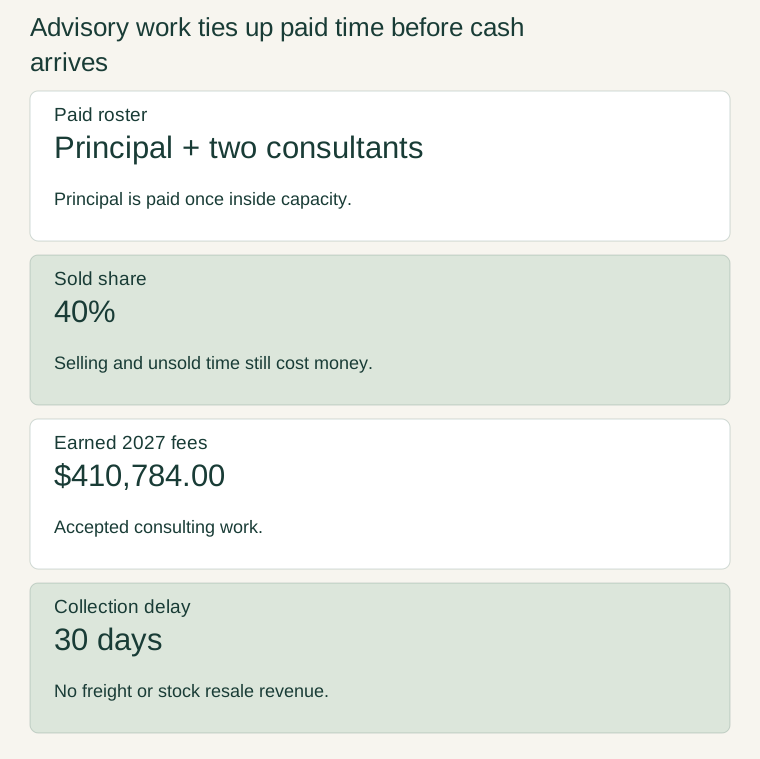
Separate selling time, earned consulting fees and later collections when funding a three-person advisory team.
Read the guide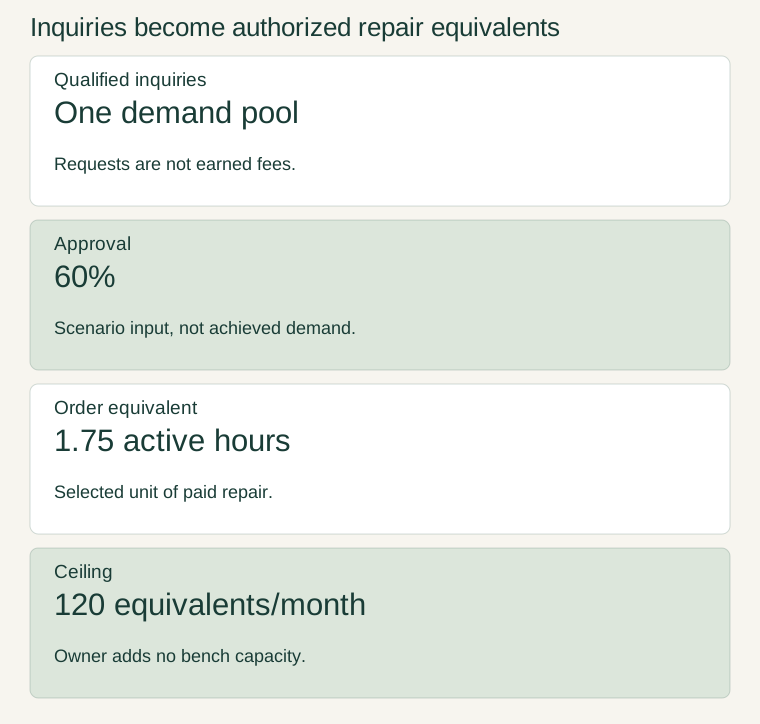
Connect approved repair orders to active bench time and the two technicians’ total paid calendar.
Read the guide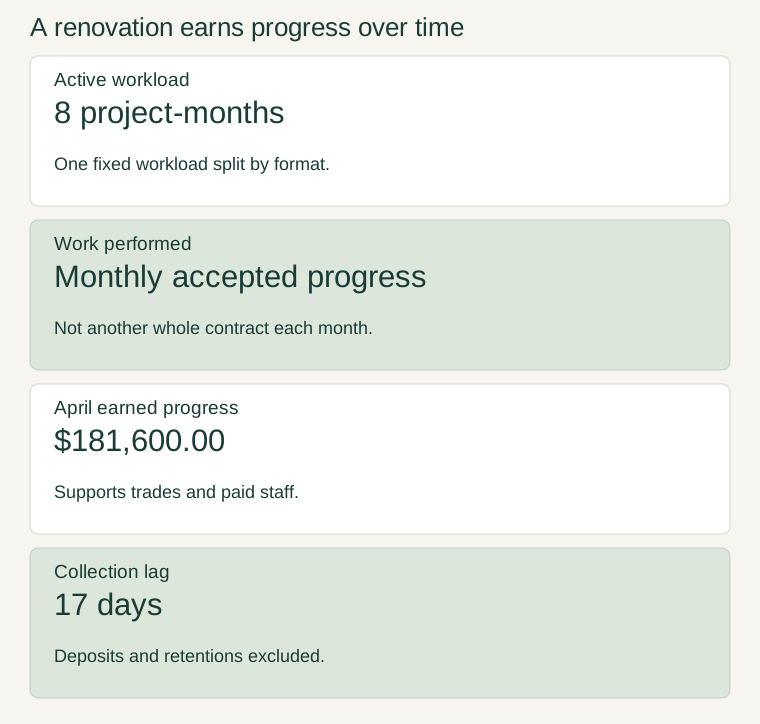
Use earned renovation progress as revenue, then follow separate customer collection and supplier payment dates.
Read the guide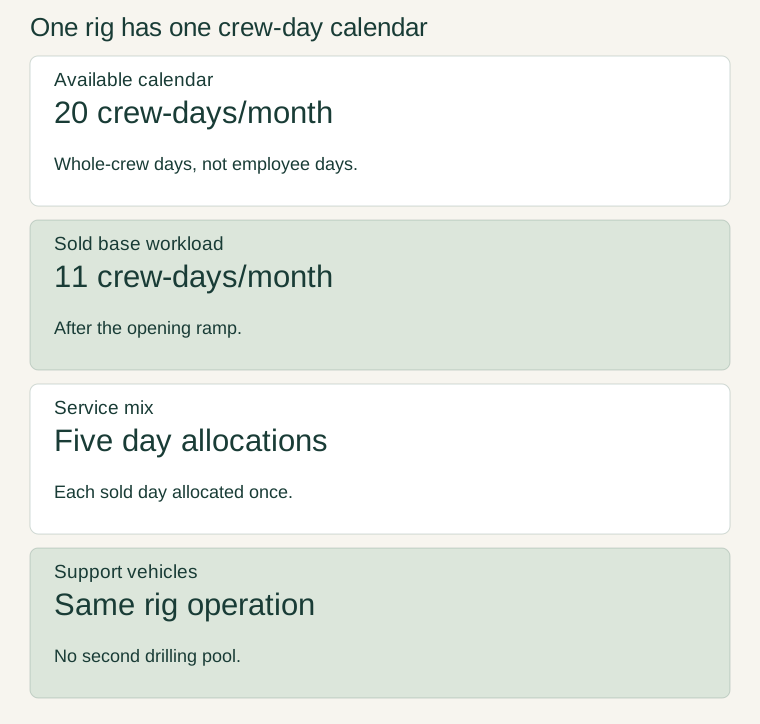
Keep one rig’s saleable crew days separate from paid helpers, launch equipment and working-capital reserve.
Read the guide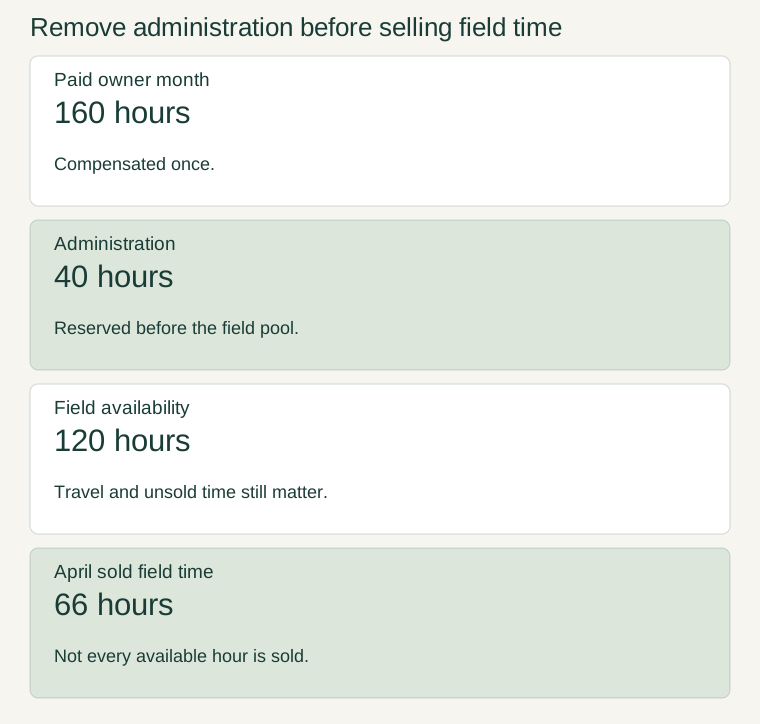
Remove administration once, then allow for unsold field time before pricing an owner-operated maintenance route.
Read the guide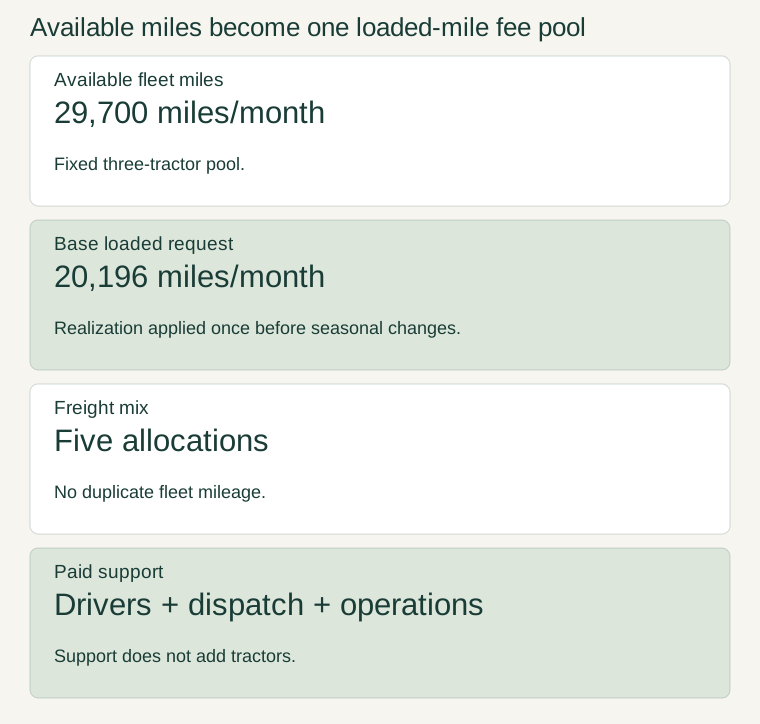
Test loaded-mile fees against the whole paid fleet, including the empty movement that reduces realized loaded miles.
Read the guide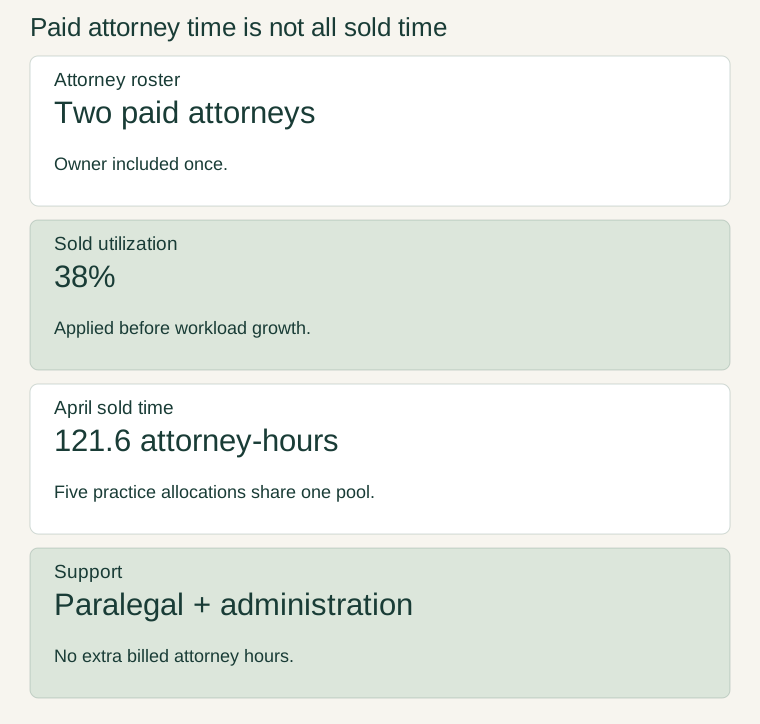
Keep paid attorney capacity, expected collectible fees and receipt timing separate in the practice forecast.
Read the guide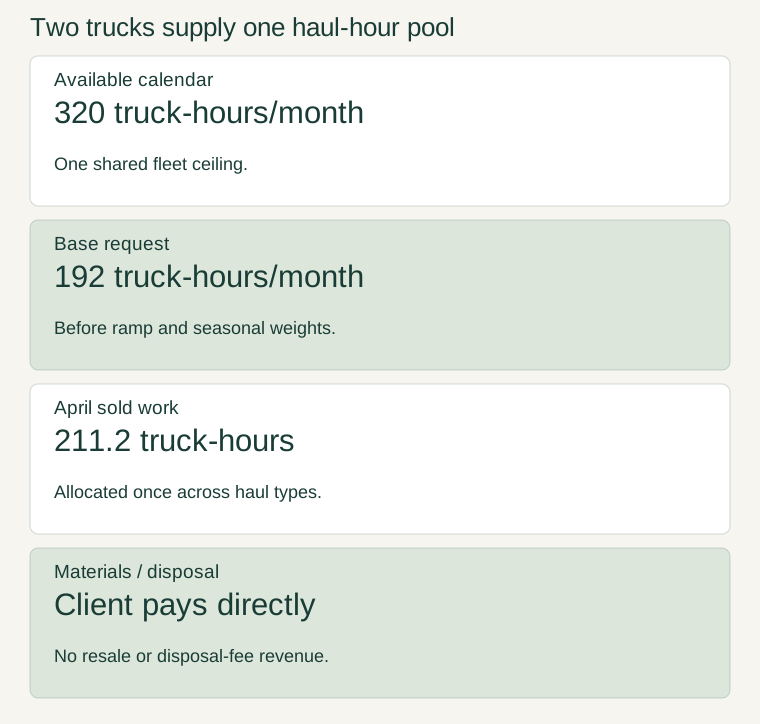
Use sold truck-hours to pay the two-truck fleet without adding customer material or disposal budgets to revenue.
Read the guide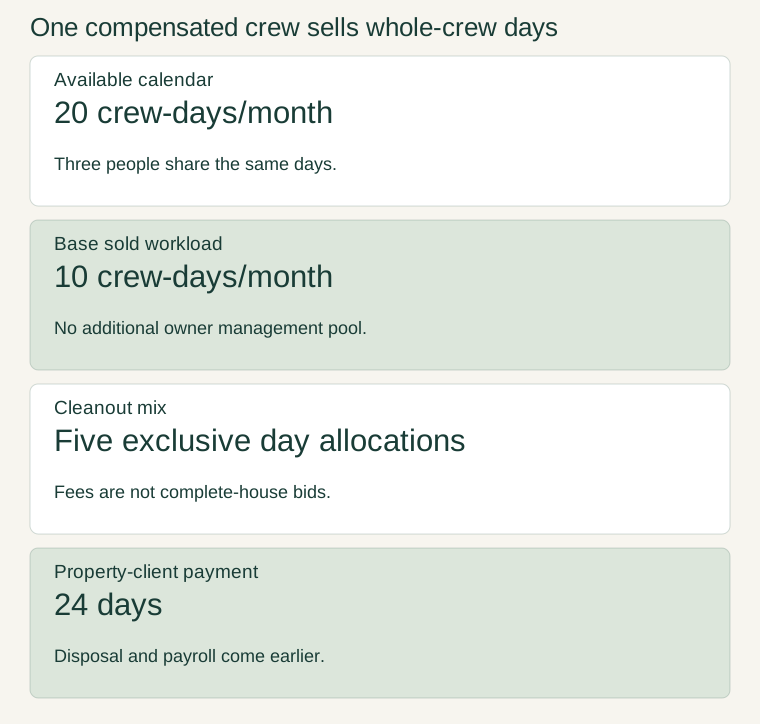
Follow authorized cleanout crew-day fees through disposal, compensated field work and delayed property-client payments.
Read the guide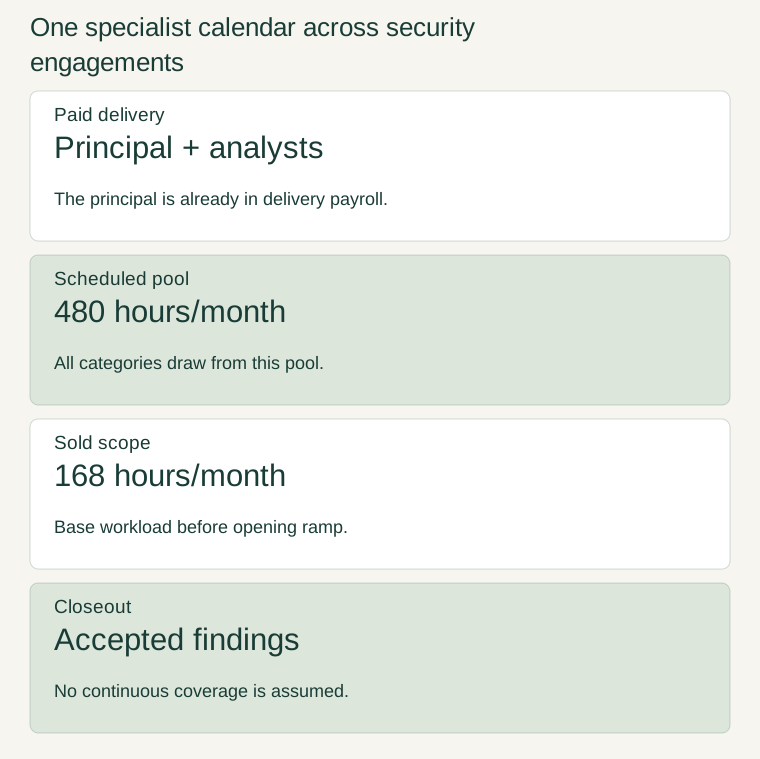
A scoped security practice calendar connects specialist hours, paid coordination and reserve-funded losses.
Read the guide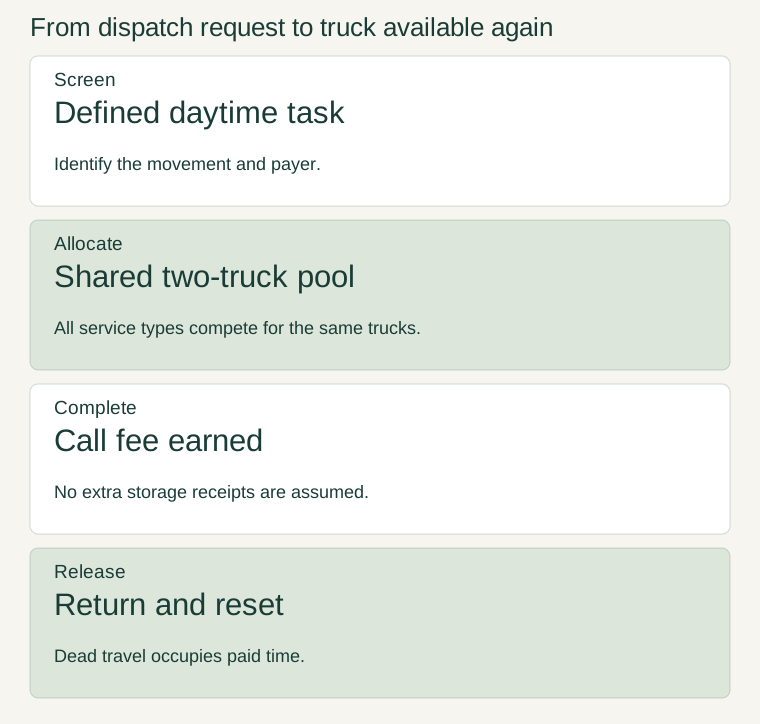
A two-truck towing case prices completed calls against standby, dead travel, paid dispatch and outside recovery help.
Read the guide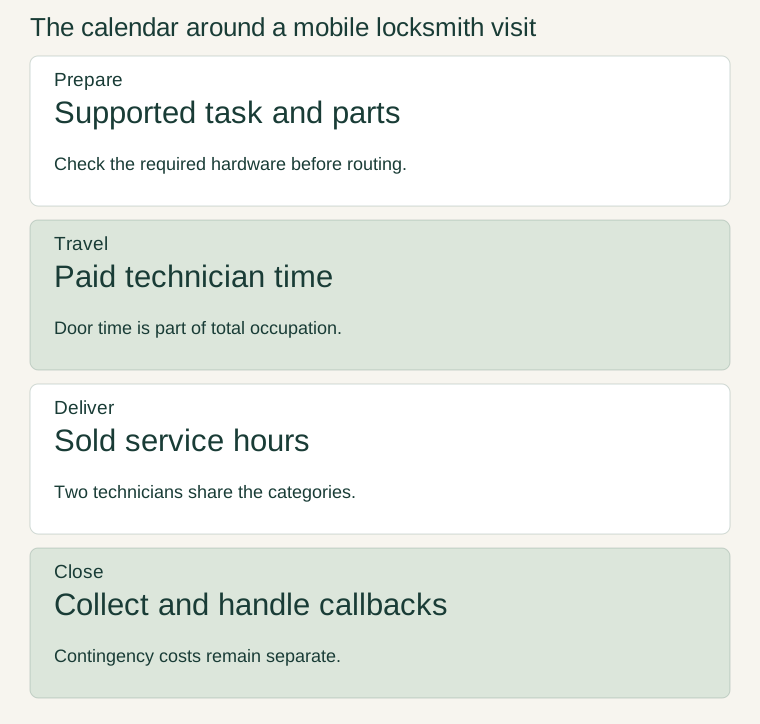
An hourly locksmith case connects hardware, route time, paid owner management and the difference between EBITDA and net income.
Read the guide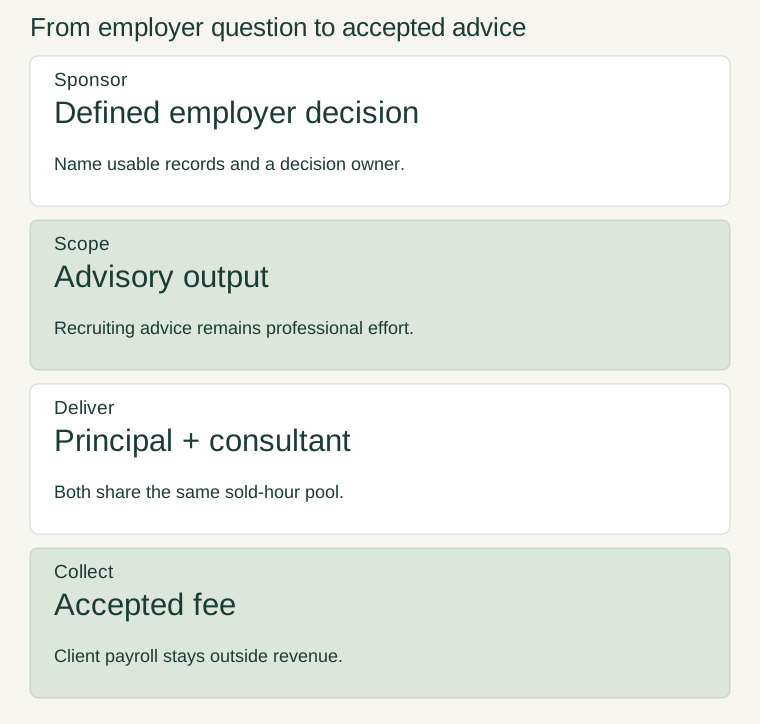
A two-adviser HR practice separates fee income, purchased review and shared capacity from staffing or payroll flows.
Read the guide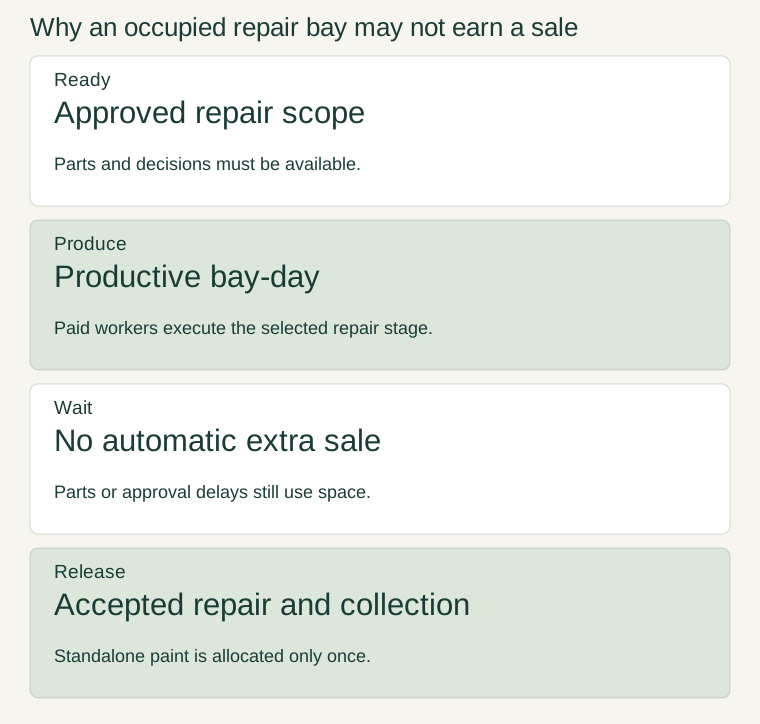
A six-bay collision-shop example separates productive bay-days, parked vehicles, worker availability and parts-funded cash.
Read the guide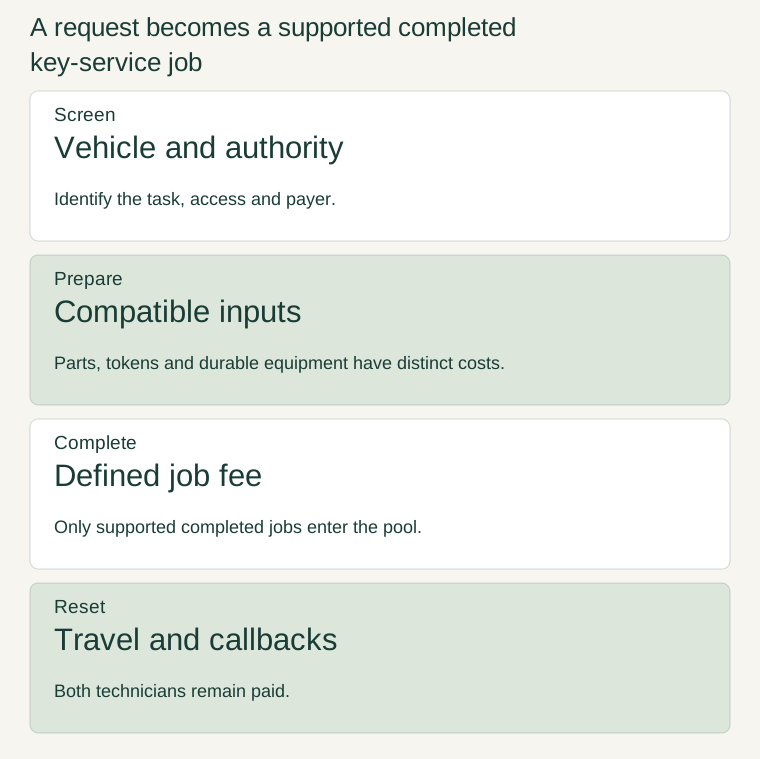
A two-van vehicle-key case separates completed-job pricing, physical parts, token services and the paid dispatch calendar.
Read the guide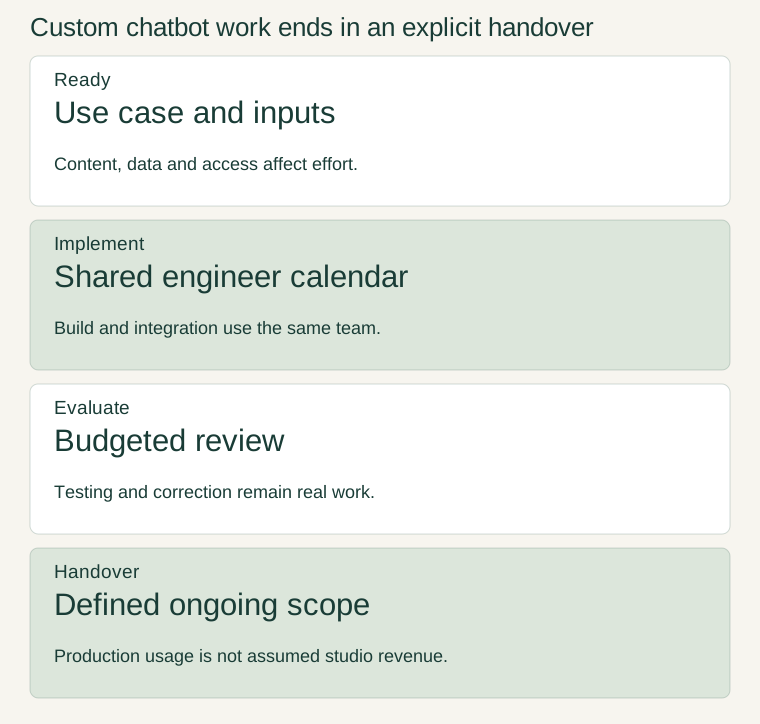
A two-engineer chatbot studio prices implementation effort, development compute and maintenance without inventing SaaS revenue.
Read the guide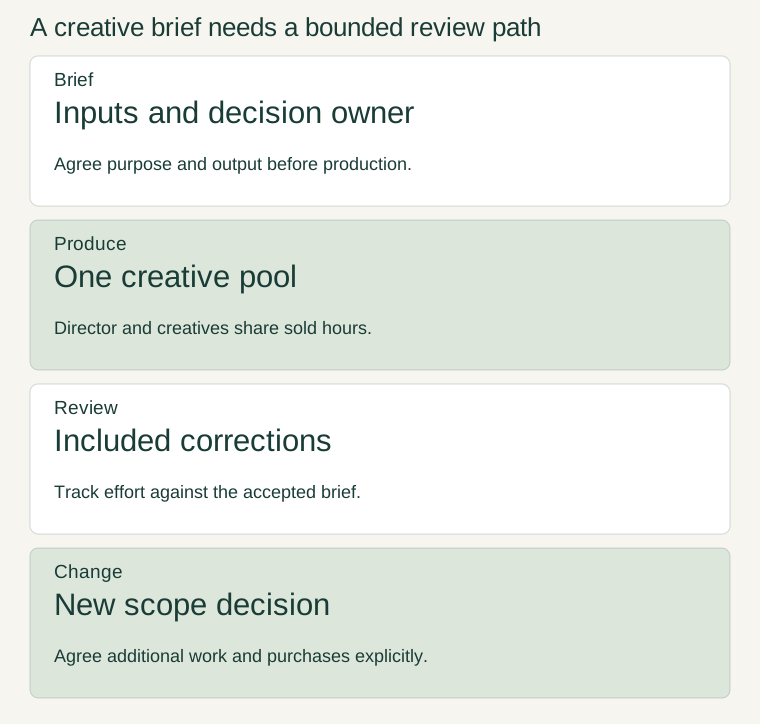
A paid creative studio connects approval rounds, purchased rights and one shared delivery calendar to project contribution.
Read the guide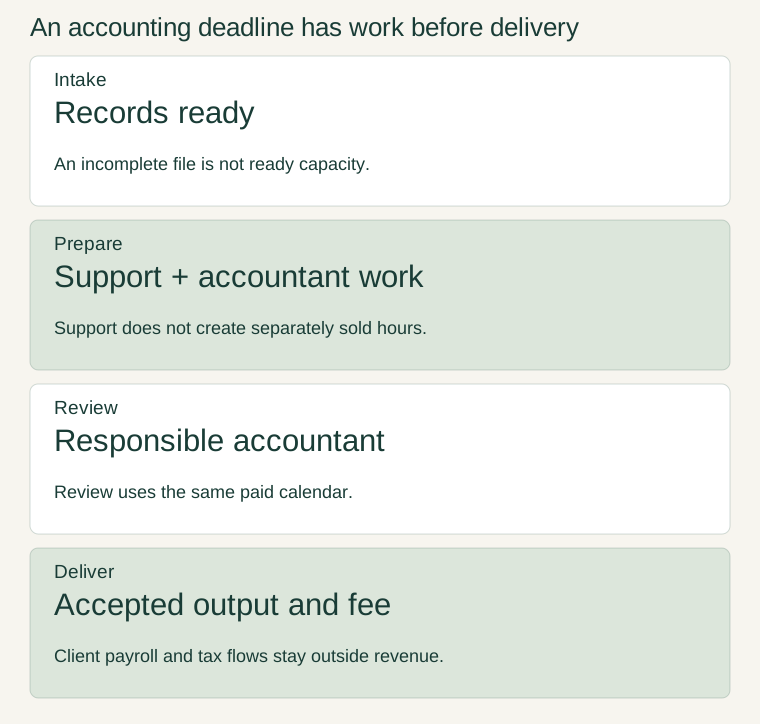
A two-accountant practice budgets preparation, review and client deadlines without double-counting support or client remittances.
Read the guide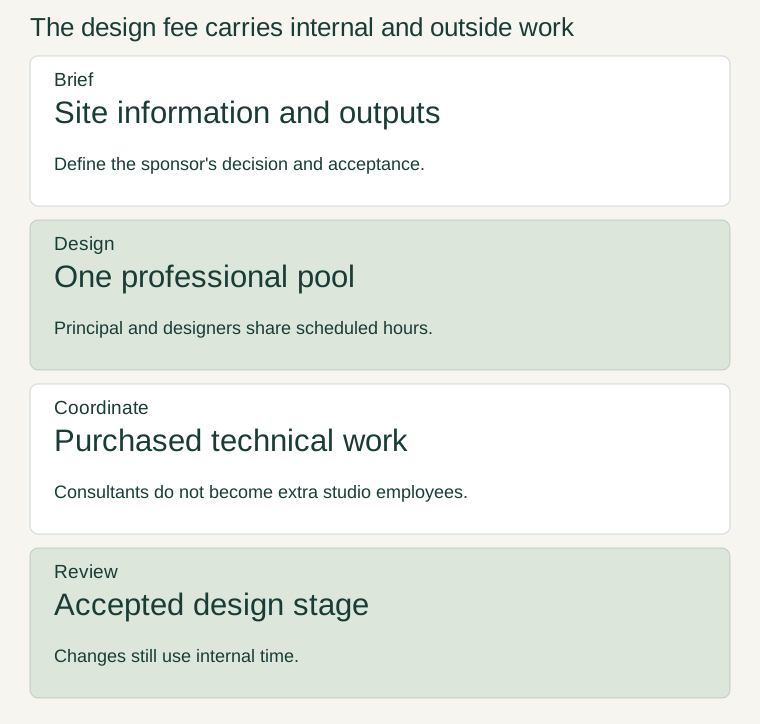
An hourly architecture case budgets internal review and purchased consultants without adding construction value or extra design capacity.
Read the guide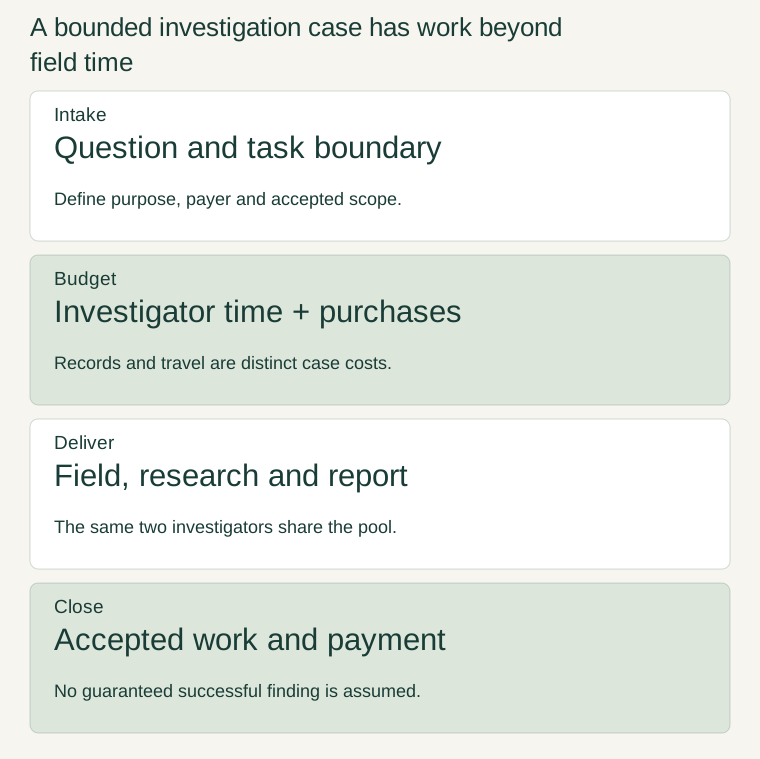
A two-investigator case prices preparation, reporting, purchased records access and collection within a bounded commercial scope.
Read the guide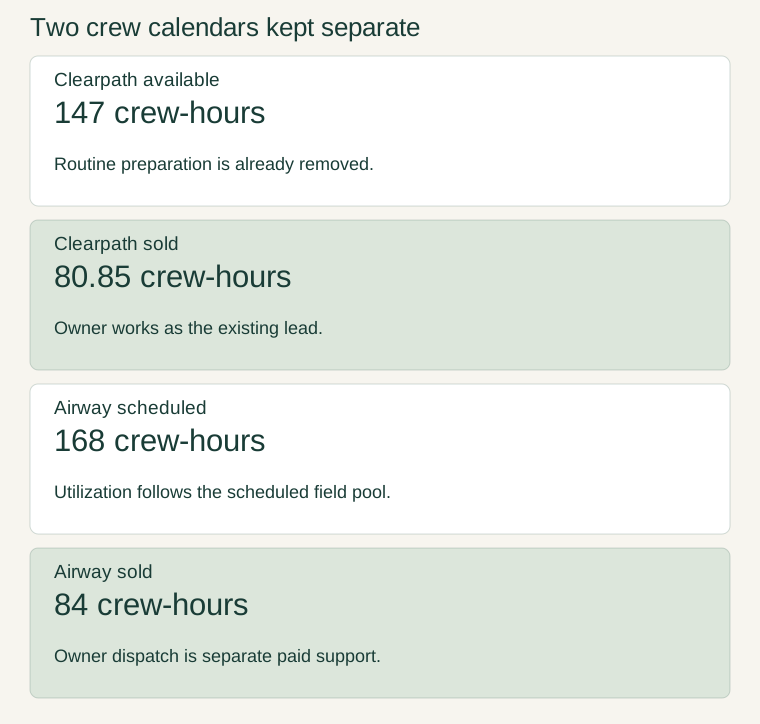
Two cleaning cases keep crew-hour definitions, included components, paid owner roles and forecast cash separate.
Read the guide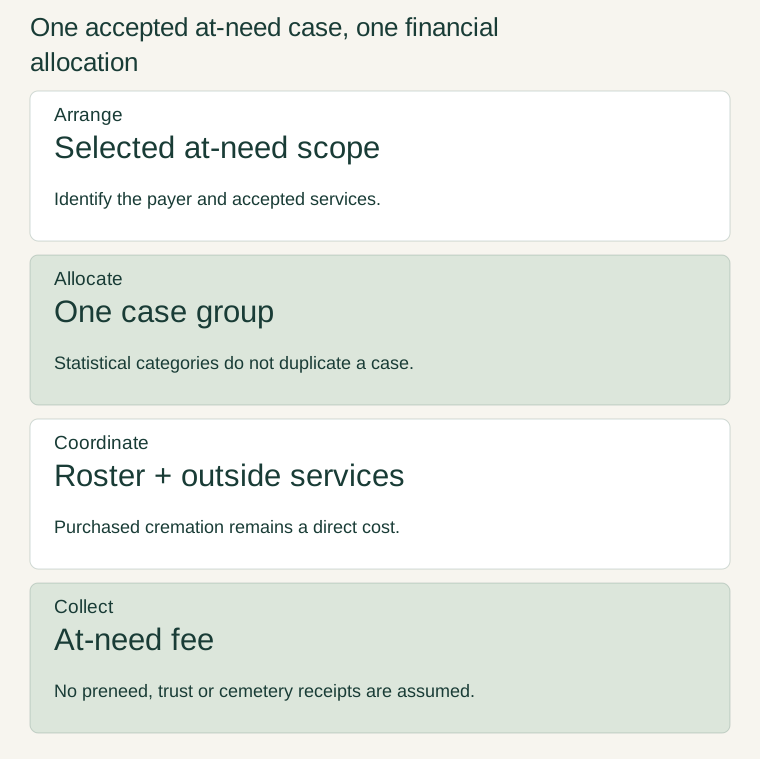
An at-need funeral-home case separates expected case fees, goods, outsourced services, paid coverage and excluded receipts.
Read the guide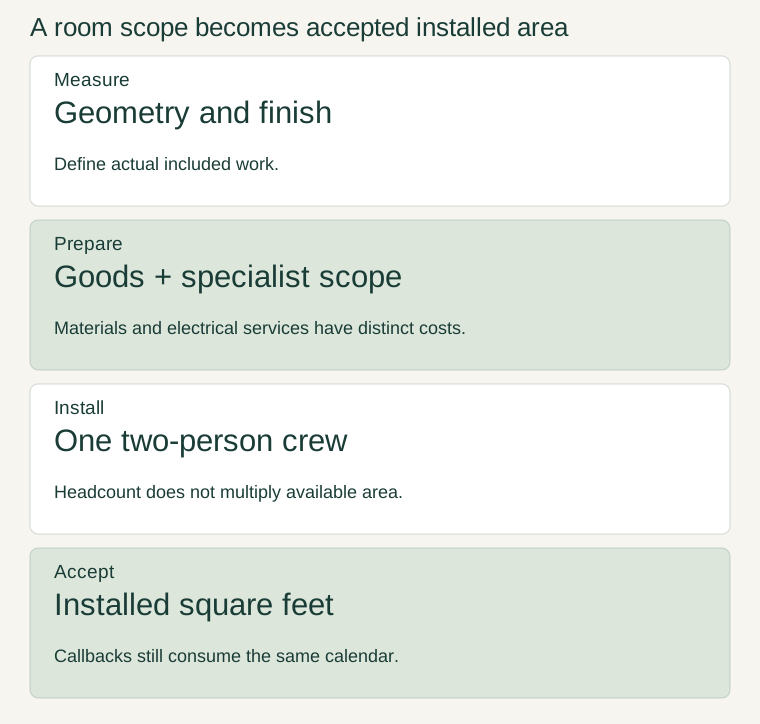
An installed-area ceiling case connects materials, specialist purchases and one paid crew without doubling square footage by headcount.
Read the guide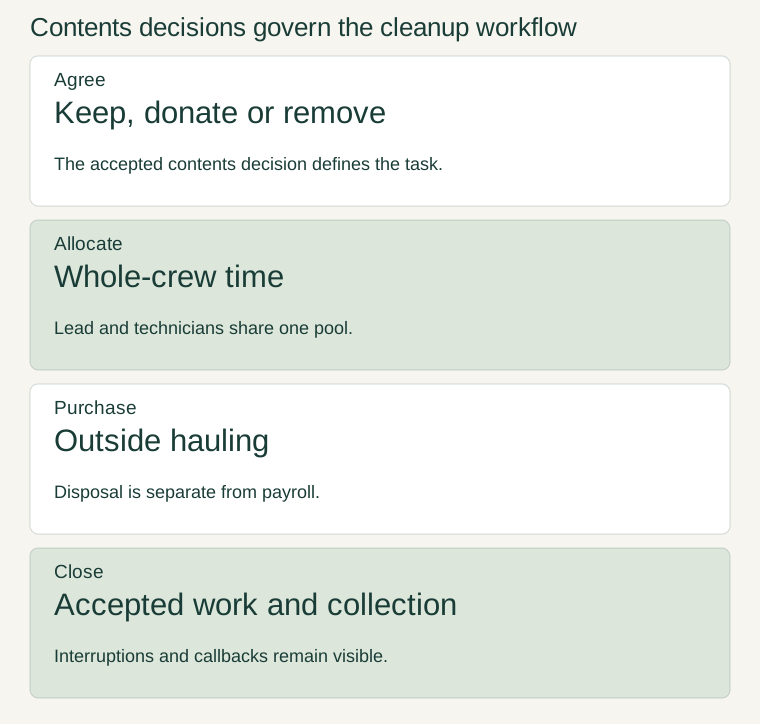
A three-person clutter-cleanup case separates whole-crew hours, contents decisions and outside hauling from paid employee costs.
Read the guide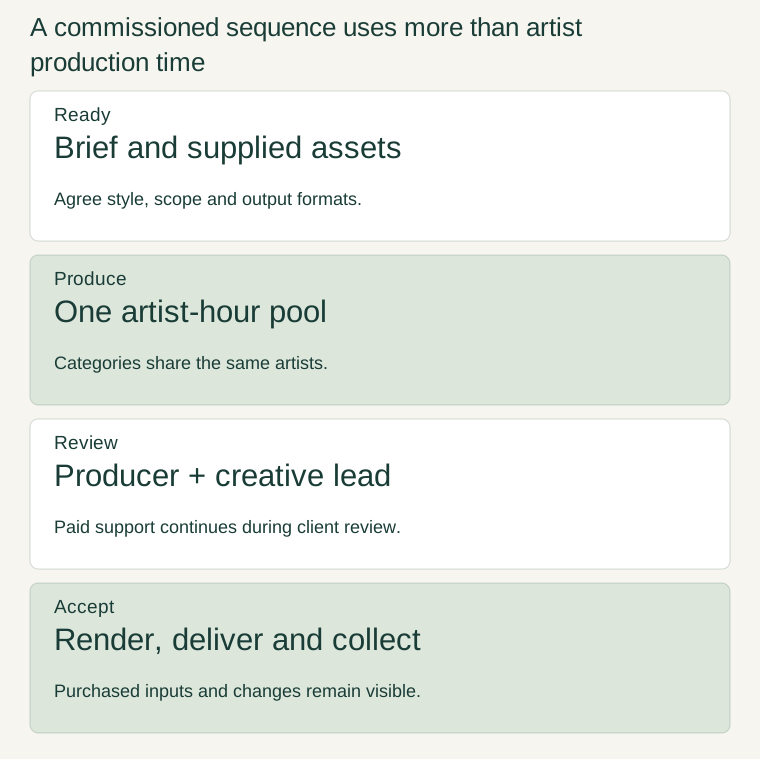
A commissioned animation case budgets shared artist hours, delayed reviews, rendering and rights without promising a universal minute rate.
Read the guide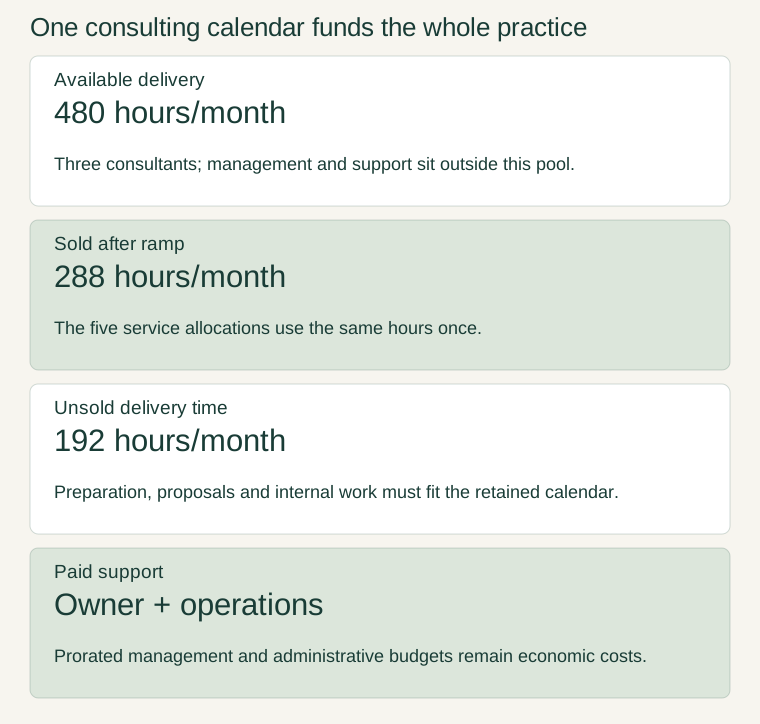
Separate the consulting delivery calendar from paid sales, management and support, then test what remains after purchases and slow collection.
Read the guide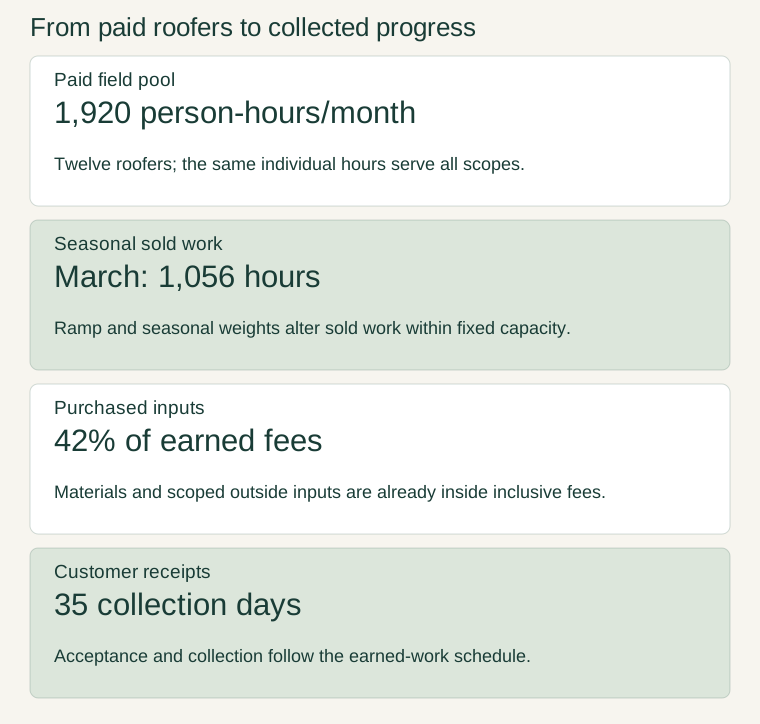
Trace seasonal individual roofer hours into earned progress, material commitments and cash received by a commercial roofing contractor.
Read the guide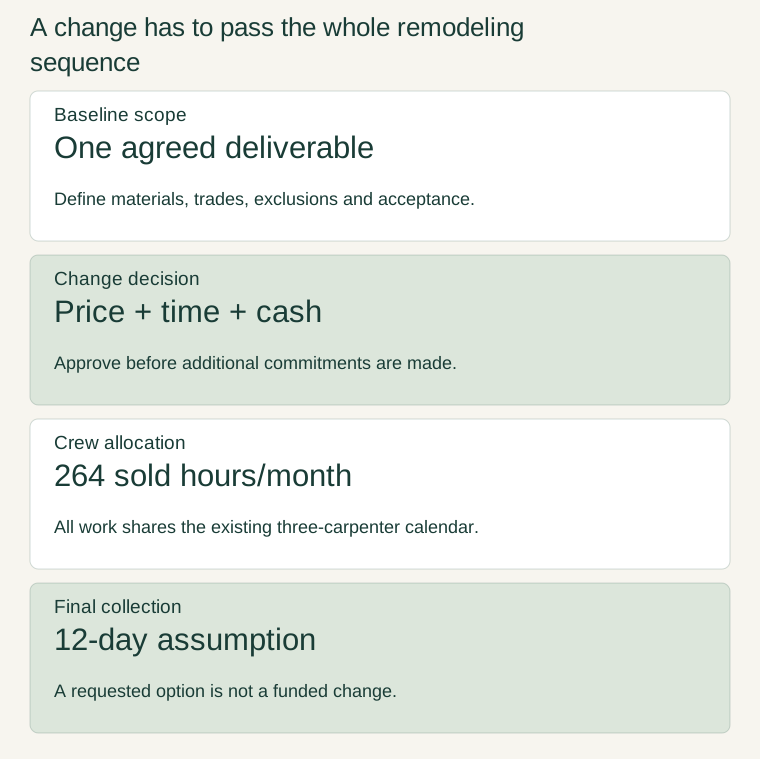
See why a remodeling change needs a new scope, paid-hour allocation and collection decision, even when the customer accepts a higher contract value.
Read the guide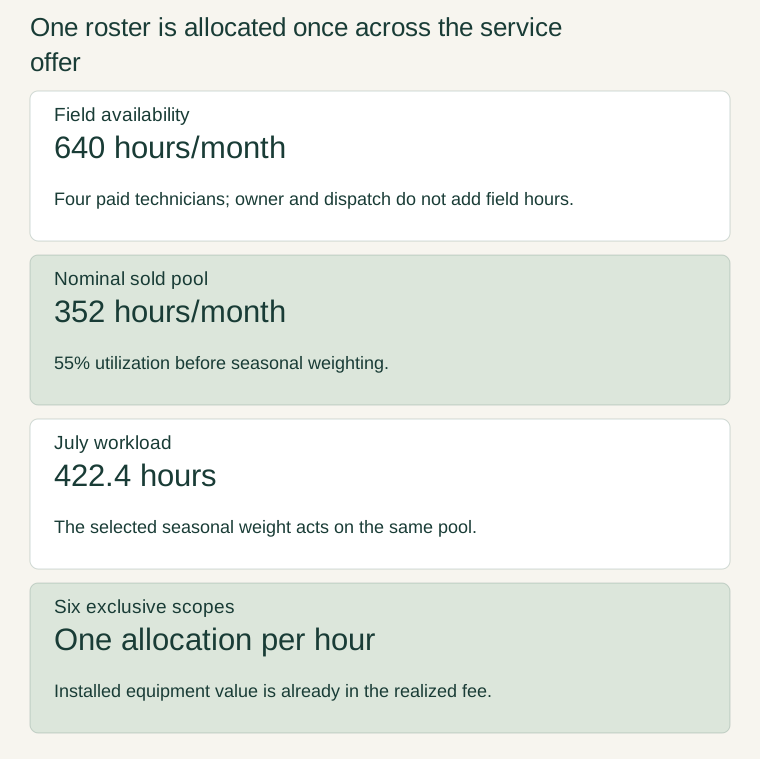
Allocate six plumbing and HVAC scopes to one field roster, with installed prices, seasonal work and parts cash kept distinct.
Read the guide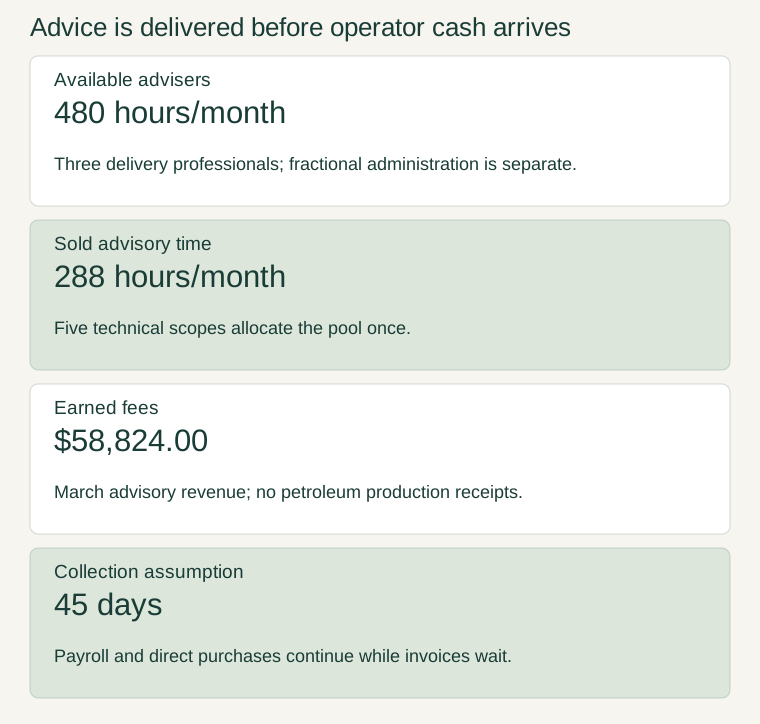
Separate a technical adviser’s earned fees from oil production and trace the paid team through a long operator invoice cycle.
Read the guide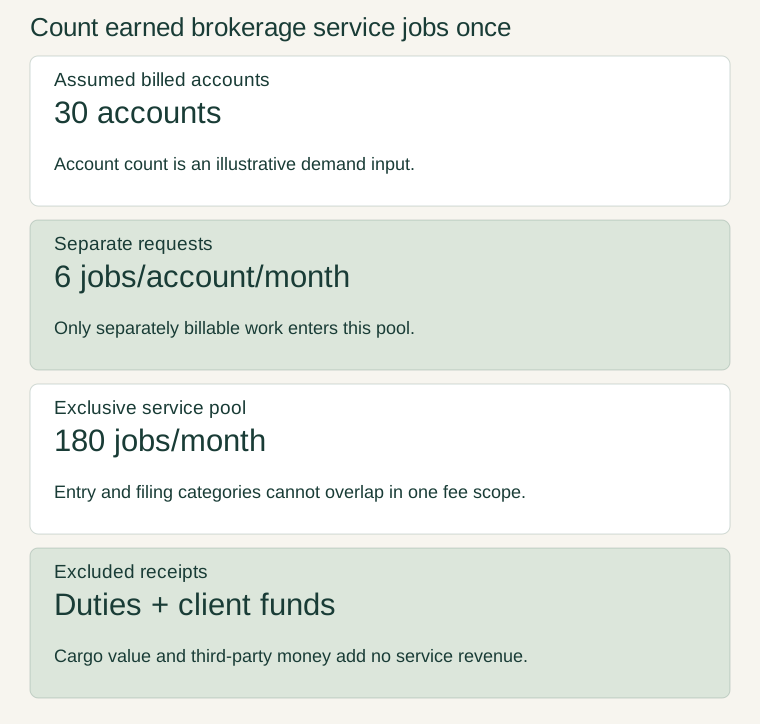
Build fee-only customs brokerage revenue from disjoint service jobs, excluding duties, shipment value and client-money float.
Read the guide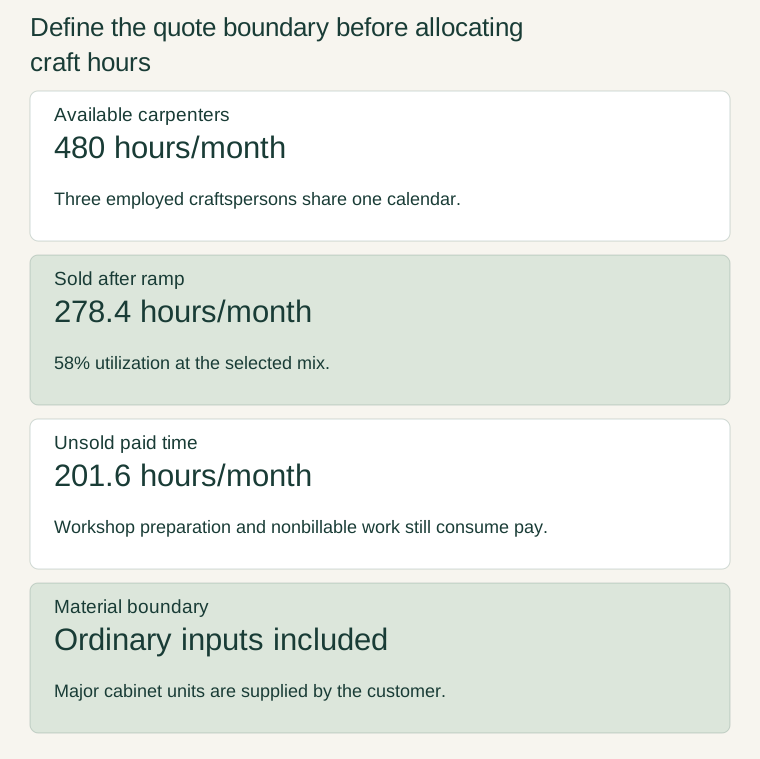
Price one employed carpentry-hour pool with ordinary materials included, customer-supplied major units and separately paid estimating work.
Read the guide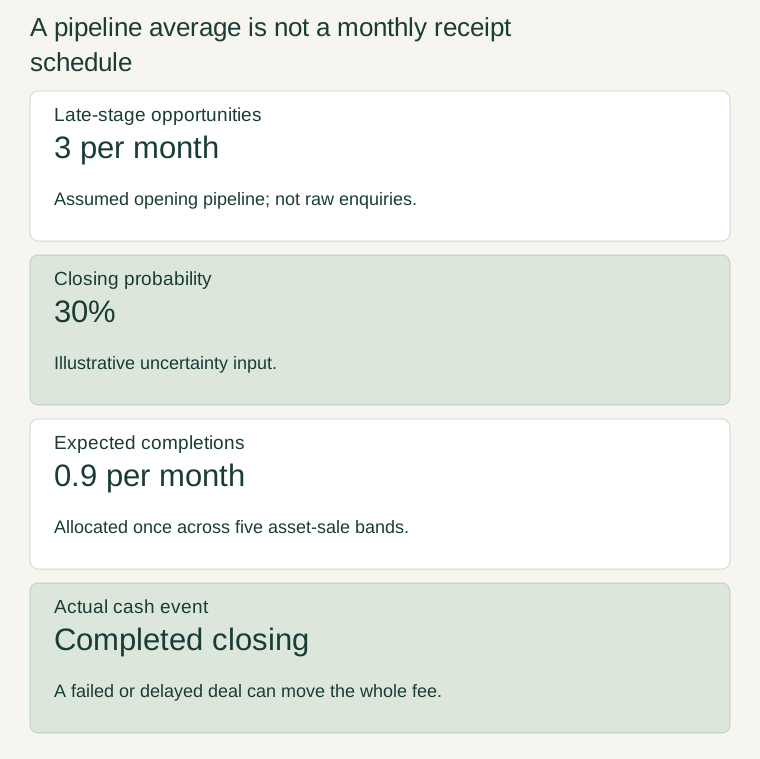
Read expected brokerage closings as an uncertain pipeline average, then plan the actual fee receipts needed to support paid transaction work.
Read the guide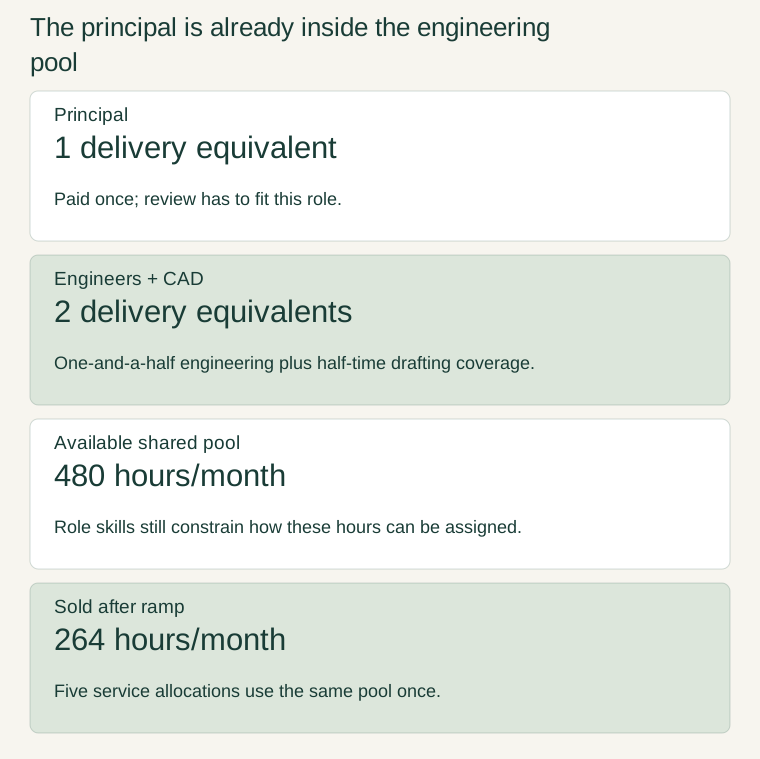
Include the principal in one engineering roster, reserve real review capacity and fund fees through a long invoice cycle.
Read the guide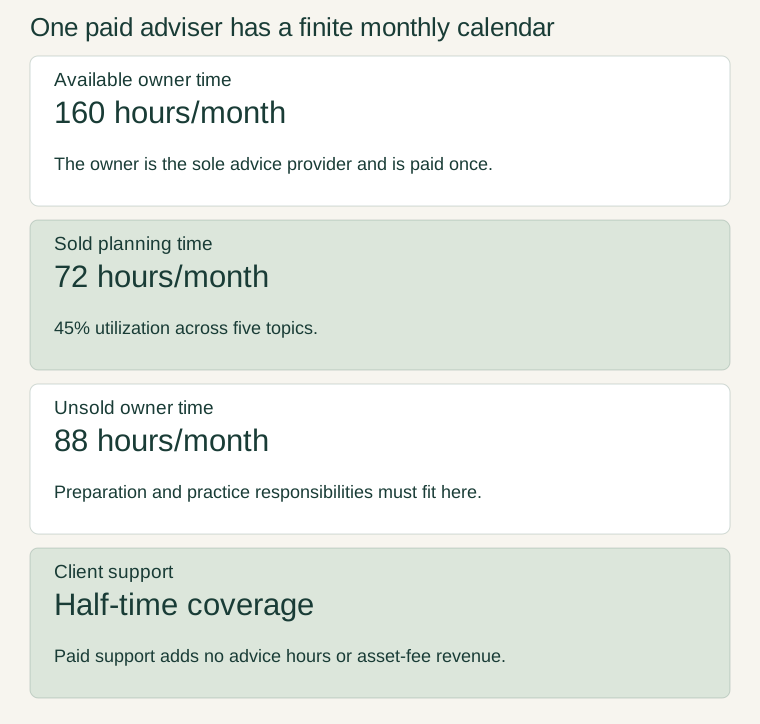
Build an hourly fee-only advice budget from one paid adviser calendar, with client support and client assets kept separate.
Read the guide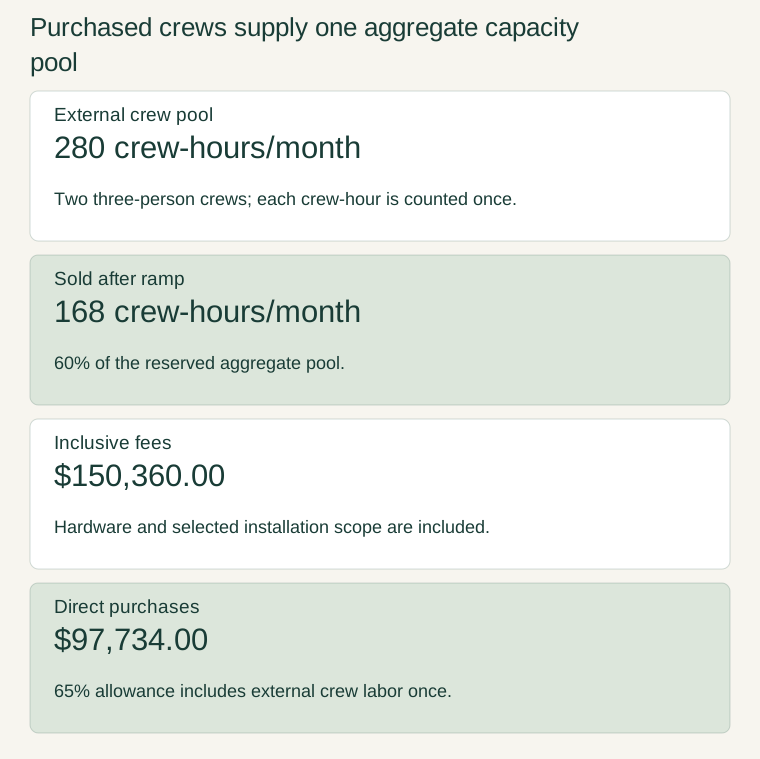
Distinguish aggregate purchased crew-hours from individual workers and trace equipment-inclusive solar fees into hardware and working capital.
Read the guide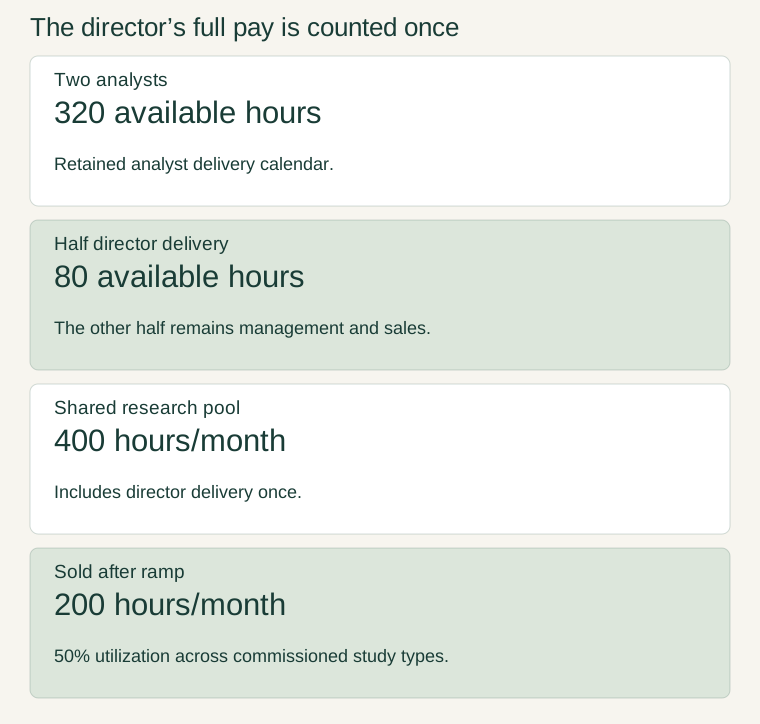
Price commissioned research around the analyst calendar and project-specific recruitment, incentives and data purchases, without inventing a panel product.
Read the guide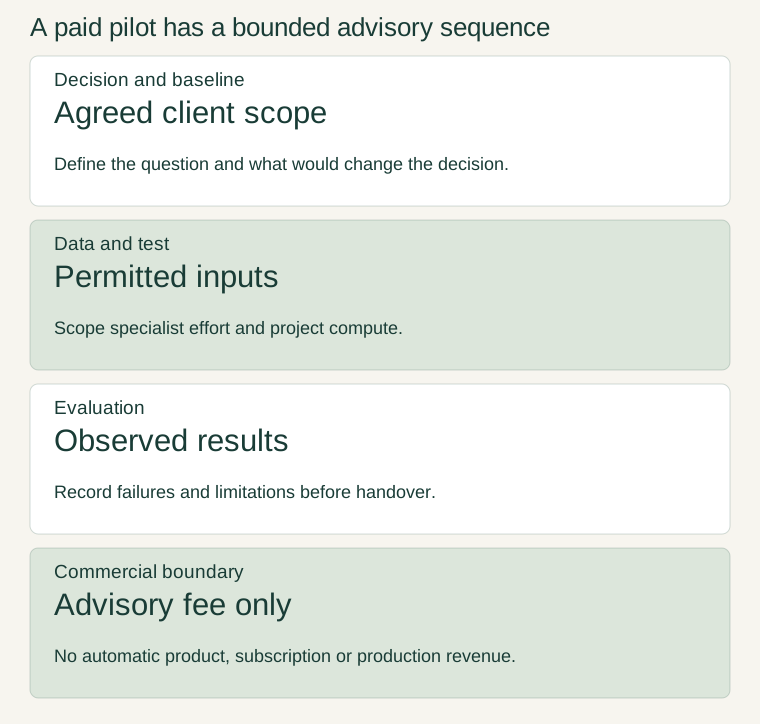
Separate paid AI advisory work from successful-pilot assumptions, product revenue and uncounted specialist or compute purchases.
Read the guide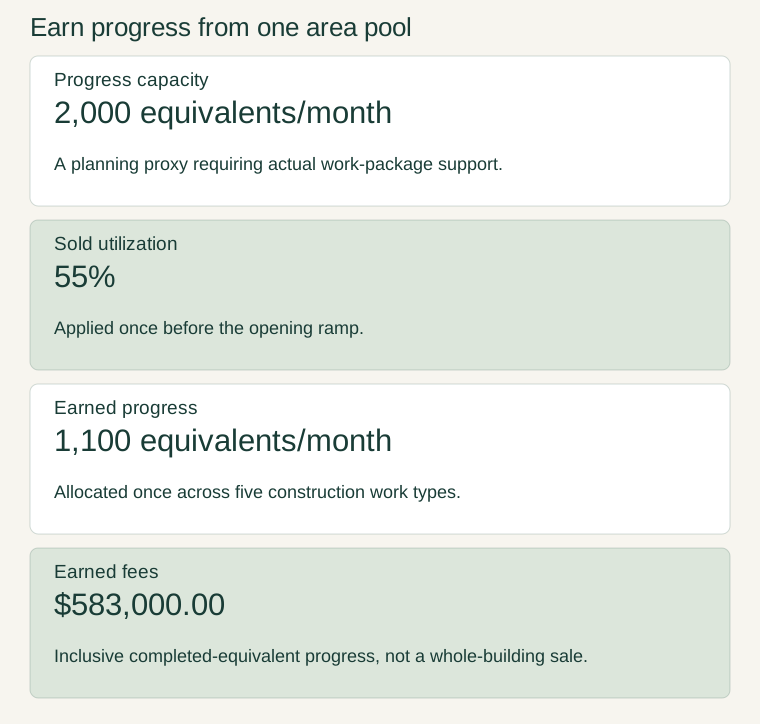
Use earned progress-square-foot equivalents to explain construction revenue without treating a whole healthcare building as a new monthly sale.
Read the guide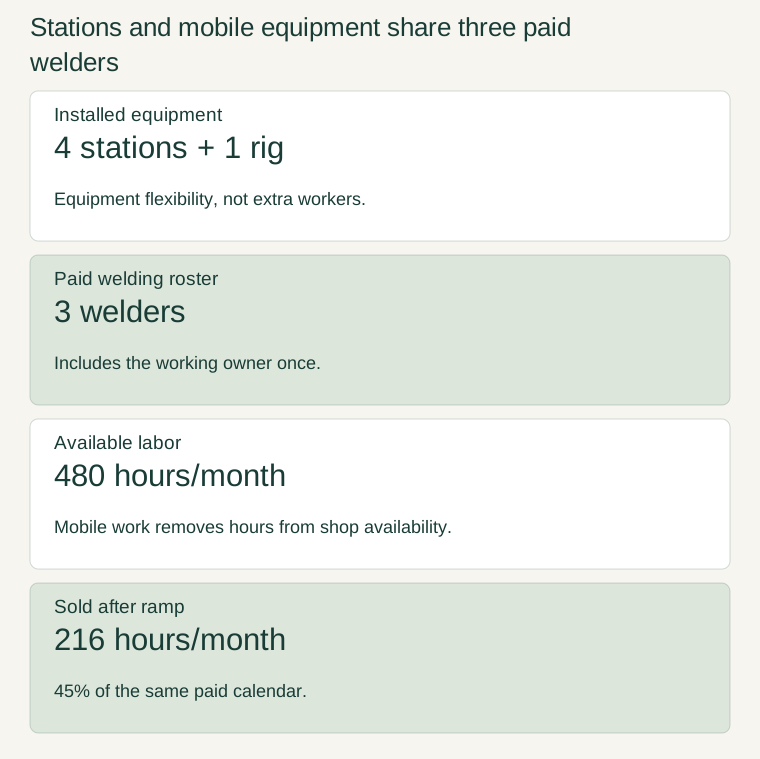
Treat four welding stations as equipment flexibility while one three-person paid roster serves workshop, mobile and specialist work.
Read the guide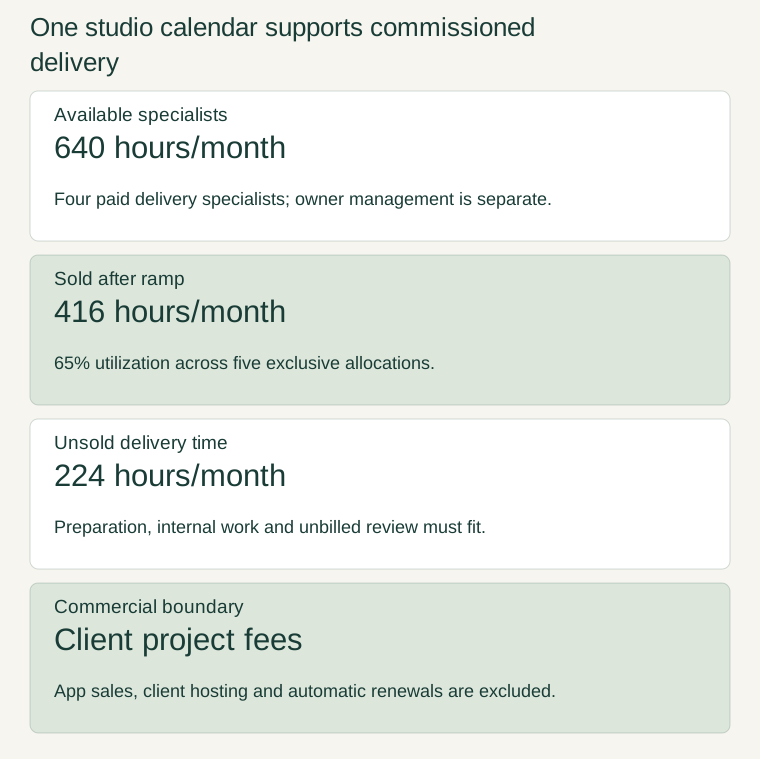
Budget bespoke mobile app delivery from one paid studio calendar, excluding app-store sales, client hosting and automatic maintenance renewals.
Read the guide
Start with crew time, then apply booked demand and cancellations. Two crews do not mean four independent appointment calendars.
Read the guide
Compare the quoted fee with total appointment time, including travel and rework. The working owner’s salary belongs in the cost base even when no employee is hired.
Read the guide
Fund the vehicle, tools and setup first, then keep cash for payroll and delayed receipts. A paid invoice is not available at the moment the crew starts work.
Read the guide
Monthly hours are only a screening limit. Several units can need service in the same short window, so the actual changeover calendar decides whether the promise fits.
Read the guide
The team is paid while receivables build. Test collection timing beside the active-client ramp and reserve enough opening cash for that delay.
Read the guide
Budget the selected vehicle, tools and setup, then preserve the operating reserve. Keep excluded hazard remediation outside the promised service rather than assuming a vacuum makes it covered.
Read the guide
Cancelled slots remove completed sales while the owner’s salary and vehicle costs continue. Treat the cancellation allowance as a sales assumption and inspect cash as well as annual profit.
Read the guideUse an example to understand the customer, the operation and the assumptions. Then build a plan around your own business.
Read the guideSeparate what you spend before opening from the cash you need after opening. A worked example shows how those amounts fit together.
Read the guideGive each slide a purpose. Keep the offer, operating model and funding request consistent with the longer plan and financial forecast.
Read the guide
Counter service, full service and delivery first sell different units, carry different commitments and need different demand tests.
Read the guide
Separate premises and equipment, pre-opening expense, stock and the cash needed after launch. Three worked budgets show the distinction.
Read the guideUse defined profit measures, include the working owner’s pay and test demand against fixed commitments. The first-year loss is part of the answer.
Read the guide
Follow proposed funding into launch uses, opening cash and monthly balances. The low point matters more than the opening balance alone.
Read the guideTry “cash”, “funding” or “pitch”, or return to all guides.
PUT THE IDEAS IN CONTEXT
Read the restaurant plan, follow its forecast and inspect all ten pitch slides.
Explore the complete example ↗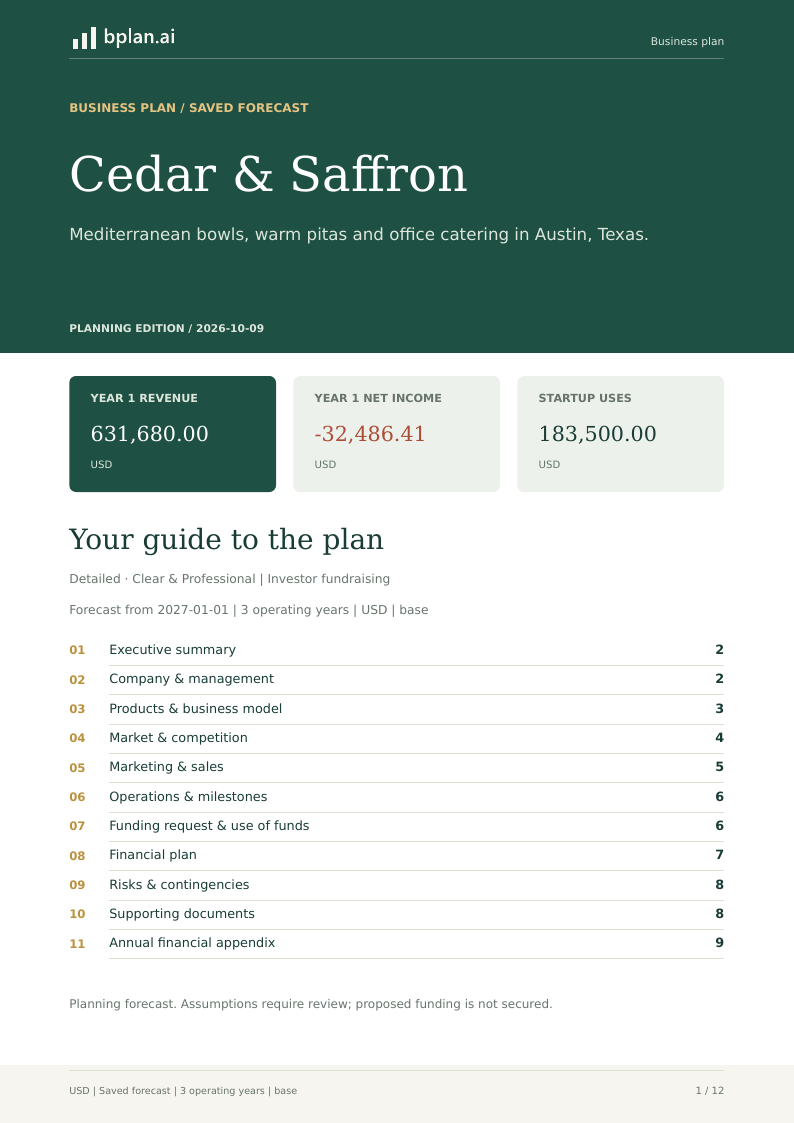 Fictional case
THE NEXT CHAPTER IS YOURS
Bring your idea and assumptions.
Build a connected planning package.